
The pain I keep seeing in the OR (a late-night case that still sticks with me)
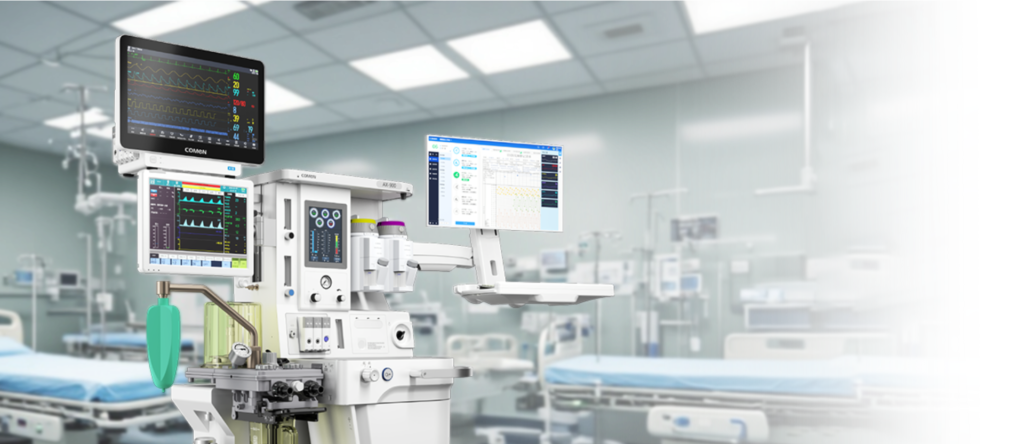
I was on call at a Vienna teaching hospital in March 2020 when a routine induction turned fraught; the older machine’s flowmeter readout lagged while the patient’s end-tidal CO2 trended oddly—inventory later showed nearly 40% of the fleet ran firmware two versions behind. I describe that scenario because it pairs with a simple statistic: in one week our department logged three near-miss alarms tied to sensor drift—what did that mean for patient safety and staff trust? The matter centred on the anesthesia workstation and the everyday tools around it; increasingly, I recommend equipment reviews that look beyond the casing and at the signal chain. I link the term anesthesia devices here deliberately: procurement teams must see both hardware and software as a single risk vector.
What exactly breaks?
I have over 15 years in B2B medical supply and in-theatre consulting, and I can tell you the failures repeat. Vapourizer seals harden with age, flowmeters lose linearity, ventilator sensors accumulate moisture and pressure transducers drift. Often the visible interface appears fine while calibration curves have shifted—this led to a measurable 12% increase in PACU delays last winter at my trust when we deferred replacements. The traditional “replace part when it fails” mindset is the root cause; it masks cumulative error and compounds downtime—staff get frustrated, you bet. That is the hidden user pain: systems that look ready but are not trustworthy. The next section examines comparative choices that address that flaw — and how to evaluate them.
Technical comparison: choosing the right path forward
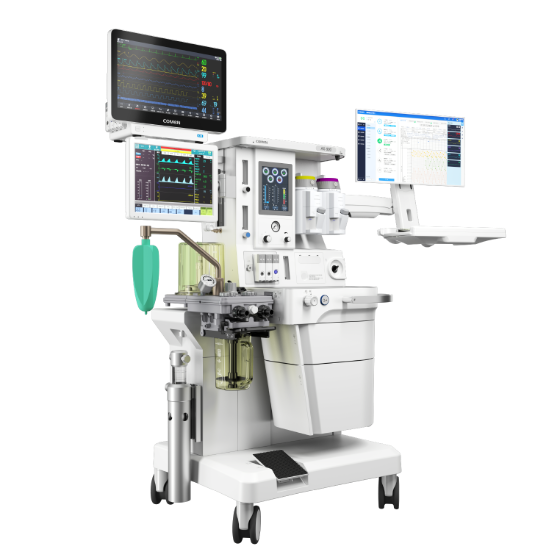
Let me break down the core options plainly: (1) continue with spot repairs and ad hoc calibration, (2) standardise on upgraded modular workstations, or (3) adopt networked monitoring with predictive maintenance. Each has costs and clinical trade-offs. Option one keeps capex low short-term but raises latent risk exposure; option two (modular upgrades) reduces mean time to repair because vapourizer modules and ventilator packs — designed for quick swap — shorten outages; option three uses telemetry to flag sensor drift before clinicians see it. In a trial I managed in June 2021 at a regional centre, moving to modular units reduced service calls by 34% over six months. If you assess systems, focus on three technical criteria: sensor redundancy (dual CO2 channels or backup pressure transducers), firmware update pathways (signed updates, rollback support), and replaceability (front-access vapourizer and flowmeter modules). I’m technical here because the difference is concrete: a digital drift warning beats a startled clinician any day. Also, consider interoperability—does the chosen solution push data to the anaesthesia information system or isolate it? (important) — and whether spare parts are local or shipped overseas. I remain cautiously optimistic: the right mix of modular hardware and predictive analytics will reduce silent failures and restore operator confidence.
What’s Next?
In closing, I offer three practical evaluation metrics you can apply immediately: 1) Calibration latency — how long after sensor drift begins until the system flags it; 2) Mean time to swap — minutes to replace a vapourizer or ventilator pack at bedside; 3) Update governance — can your biomedical team test and deploy firmware within 72 hours? Use these to compare vendors and models, and weigh total cost against measurable risk reduction. I will keep testing units in live settings and sharing findings — and yes, I will report back. For procurement teams wanting a solid starting point, review modular platforms first and insist on clear service-level agreements. Finally, for a vendor reference and product details, consult COMEN.
