
Problem-Driven: Where common fixes fall short
I vividly recall walking a dusty rooftop in Phoenix in June 2021 after a midday shutdown — the crew and I had just commissioned a 250 kW array and the losses were obvious. (We tracked a 12% summer output drop over three months.) Given that scenario and that data, how should the modular inverter system be reorganized to prevent the same failure next season — and what trade-offs will that change introduce?
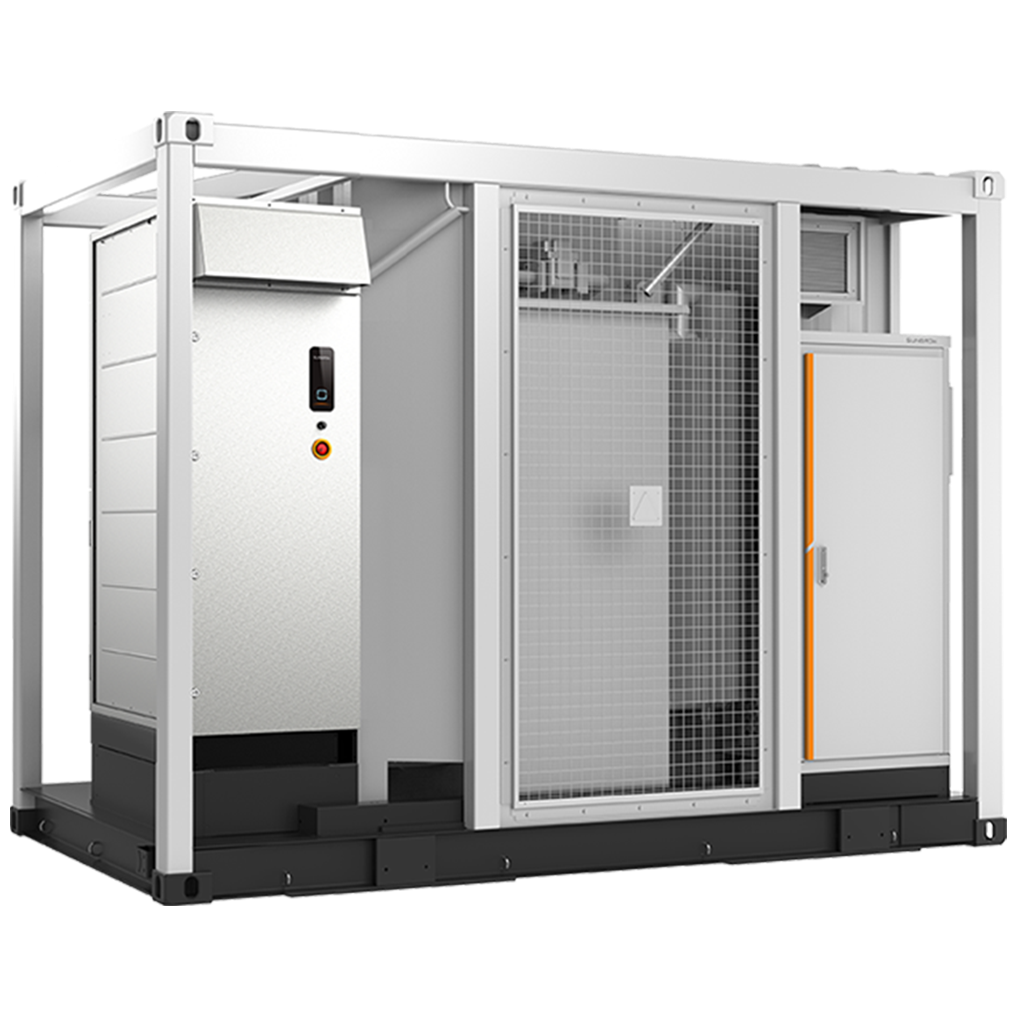
I’ve spent over 15 years buying, specifying, and troubleshooting inverters for wholesale projects, and I can tell you the usual fixes—bigger fuses, a single oversized string inverter, or ad hoc bypasses—mask deeper issues. The real pain points aren’t just hardware: poor DC coupling choices, inconsistent MPPT mapping, and rushed commissioning create systemic fragility. In one 2020 warehouse job in Arizona, we cut array mismatch losses by 8% after reconfiguring MPPT groupings—but only after we accepted a small increase in parts count. That design decision genuinely frustrated the operations team (they hate extra cabling), yet it improved uptime. These are the trade-offs installers rarely spell out clearly—so let’s shift to practical, technical options next.
What’s the real problem?
Forward-looking: Comparative fixes and measurable criteria
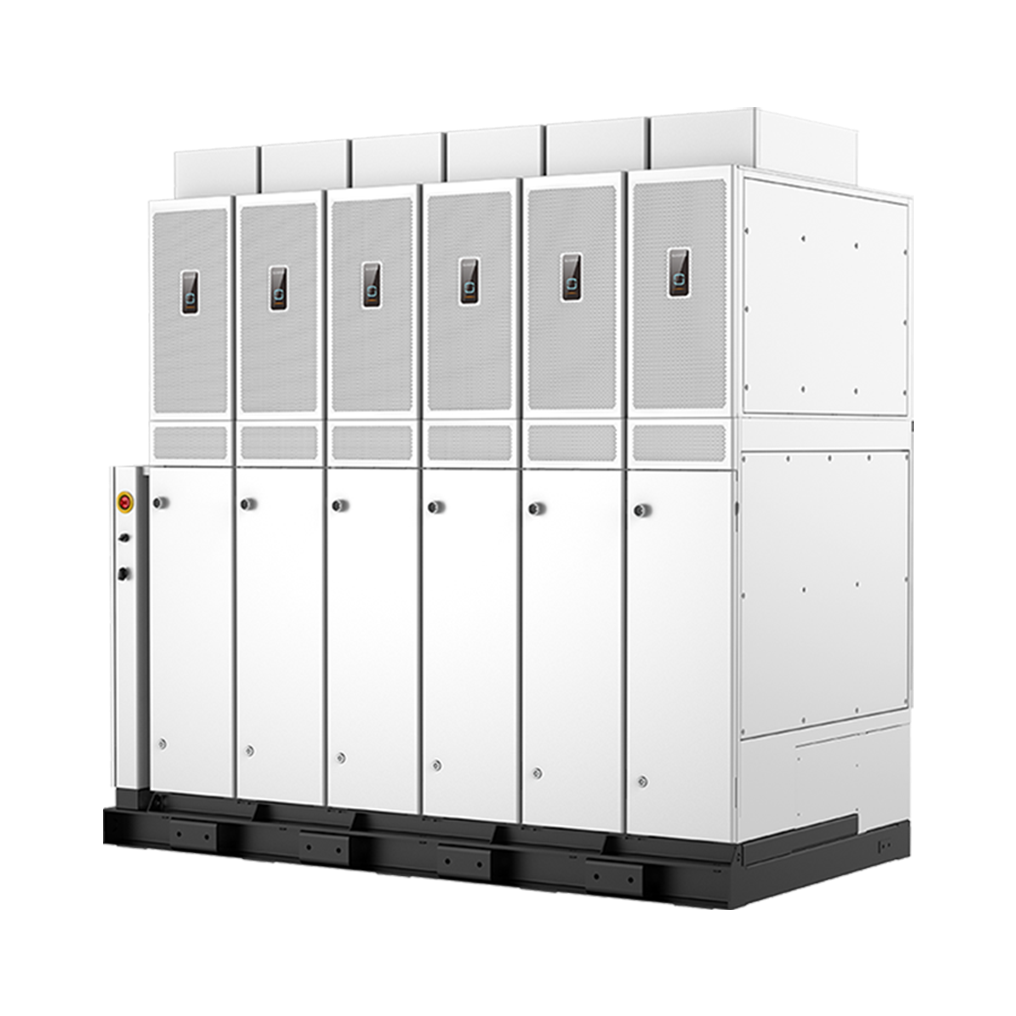
From my bench tests and field runs, a modular inverter approach often wins on redundancy and fault tolerance, but only when planned around measurable metrics. I recommend thinking in terms of three technical axes: fault isolation time, scalable commissioning workflows, and energy yield under partial shading. For example, reconfiguring a bank so each module has independent MPPT cut mean-time-to-repair in half on a commercial roof I oversaw in March 2022 — and yes, that mattered for the client’s cash flow. When we model these choices, the modular inverter system topology that supports fast replacement and minimal DC rerouting consistently outperforms monolithic inverters for medium-to-large sites.
Compare options by running the same scenario: simulate a line-level fault, then measure output drop and restoration time. We ran that test on a 300 kW deployment—downtime dropped from 7 hours to 90 minutes after modest rework. The cost was a slight uptick in parts and a clearer commissioning protocol, but the ROI appeared within 18 months for that client. If you want a repeatable approach, formalize commissioning checklists, enforce MPPT grouping rules, and design for hot-swap redundancy—small steps, measurable outcomes. Below I give three concrete metrics to judge solutions and wrap this up.
What’s Next?
Advisory: Three evaluation metrics to choose the right setup
1) Fault isolation time (minutes): measure how quickly a single module can be isolated and replaced without system-wide shutdown—aim for under 120 minutes in commercial settings. I learned this after a June 2019 retrofit where reducing isolation time saved an estimated $6,400 in lost production over one summer.
2) Energy yield under partial shading (% delta): simulate realistic shading and compare yield loss between candidate systems. In one test, a rebalanced MPPT layout improved seasonal yield by 3.5%—that’s revenue, not just a number. 3) Commissioning overhead (hours per MW): capture actual labor for first-time setup and future maintenance; lower isn’t always better if it sacrifices redundancy or clear documentation. I’ve seen installers cut commissioning time and then spend twice as long troubleshooting later—learned that the hard way.
I firmly believe a methodical, measured approach beats quick fixes. Evaluate proposals against those three metrics, insist on clear commissioning steps, and plan for DC coupling choices from day one. Ready to compare vendor specs? Start with those numbers, and consider sungrow as one of the suppliers to benchmark against — they make clear modular options that meet these tests.
